
Popular Shiplap Wall Installation Products You Need to Know
Discover the most reliable and user-friendly products that make creating stunning shiplap walls simple and efficient.
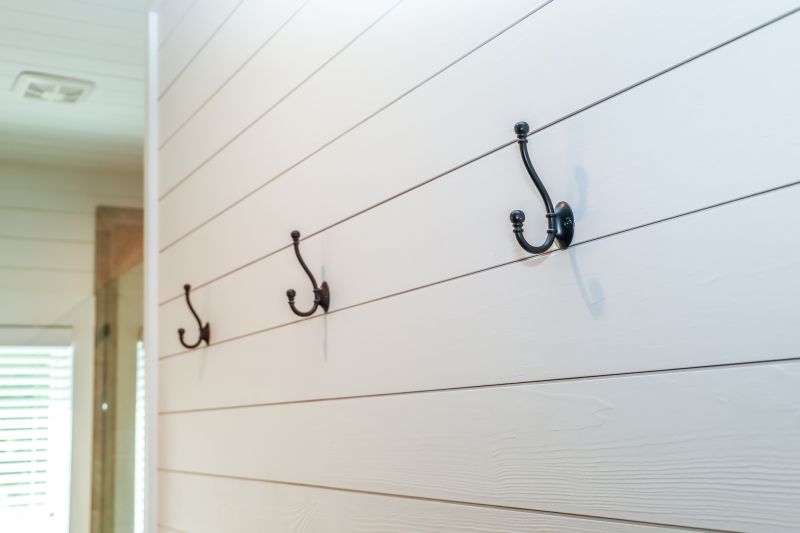 Shiplap wall installations have become a popular choice for adding texture and visual interest to interior spaces. The appeal lies in the ability to create a rustic, farmhouse, or modern aesthetic depending on the materials and finishes used. When undertaking a shiplap project, selecting the right products is essential to ensure a clean, durable, and visually appealing result. From the raw materials to the finishing touches, each component plays a role in the overall look and longevity of the installation.
Top Overall Option
Wooden Shiplap Boards
Wooden shiplap boards are a versatile choice for wall installations, offering natural warmth and authentic texture. They come in various wood types, finishes, and thicknesses, allowing customization to suit different interior styles. Properly selected and installed wooden shiplap can provide a timeless aesthetic, with options for staining or painting to match any decor. Ensuring quality and durability, these boards are suitable for both DIY projects and professional installations, making them a popular choice for creating feature walls.
Types of Products For Shiplap Wall Installations
Wooden Shiplap Boards
Authentic wood planks that bring natural character and warmth to interiors.
PVC Shiplap Panels
Water-resistant and lightweight panels ideal for bathrooms and kitchens.
MDF Shiplap Boards
Cost-effective and smooth-surfaced boards suitable for painting.
Composite Shiplap Panels
Durable and low-maintenance options combining various materials.
Pre-primed Shiplap Boards
Ready-to-paint boards that simplify finishing processes.
Reclaimed Wood Shiplap
Eco-friendly choice that adds rustic charm and history.
Vinyl Shiplap Panels
Flexible and easy-to-install options for quick updates.
Tongue and Groove Boards
Interlocking design for a seamless appearance.
Interlocking Shiplap Panels
Snap-together panels for fast and simple installation.
Decorative Shiplap Trim
Finishing touches to enhance edges and corners.
Hidden Nailing Systems
Tools and hardware designed to conceal fasteners for a clean look.
Adhesives for Shiplap
Specialized glues for secure attachment without visible fasteners.
Shiplap Spacers
Ensure consistent gaps and alignment during installation.
Paint and Stain
Finishing products to customize the appearance of shiplap.
Wall Prep Materials
Primers and sealers to prepare surfaces for installation.
Corner and Edge Molding
Accessories to create polished transitions and edges.
Soundproofing Panels
Additional options for enhancing acoustic performance.
Lighting Accessories
LED strips and fixtures to highlight the shiplap feature.
Popular Choices
A classic choice appreciated for its natural look and versatility.
Popular for moisture-prone areas due to water resistance.
Favored for ease of finishing and ready-to-paint convenience.
Quick-install panels that simplify DIY projects.
Chosen for rustic aesthetics and sustainable appeal.
Lightweight and flexible, suitable for quick updates.
Preferred for their seamless appearance and secure fit.
Popular for finishing edges and creating a polished look.
Commonly used for fast and clean installation.
Essential for ensuring a smooth surface for installation.
Frequently selected for customizing the final appearance.
Popular for professional-looking finishes.
Chosen to improve room acoustics when combined with shiplap.
Often added to enhance the visual impact of shiplap walls.
Favored for a clean, fast installation process.
Widely used to match various interior styles.
Popular for adding character and sustainability.
The process typically involves choosing the appropriate type of shiplap boards, which can vary in thickness, width, and material. Common options include wood, MDF, PVC, and composite materials, each offering different benefits in terms of appearance, ease of installation, and maintenance. Proper preparation of the wall surface and precise measurement are key steps before beginning installation. Many DIY enthusiasts and professionals alike rely on specific tools and accessories to streamline the process, such as spacers, nails, adhesives, and finishing trims.
In addition to the boards themselves, it's important to consider the hardware and accessories that will secure the shiplap in place. These include nails or staples suitable for the chosen material, as well as spacers to ensure consistent gaps and alignment. Finishing touches like caulk, paint, or stain can transform the look, making the shiplap seamless or accentuated according to personal style. Proper selection and application of these products help achieve a polished and long-lasting wall feature.
Overall, the success of a shiplap wall installation depends on careful product selection, proper planning, and attention to detail. Whether aiming for a cozy cottage vibe or a sleek modern statement, understanding the available products and their features can make the project more manageable and satisfying. With the right tools and materials, creating an attractive shiplap feature wall can be an accessible and rewarding home improvement endeavor.
Key Buying Considerations
- Material type and durability for your specific environment
- Thickness and width of the shiplap boards to suit your design
- Ease of installation, especially if DIY-ing
- Compatibility with existing wall surfaces
- Finishing options such as staining or painting
- Moisture resistance for areas like bathrooms or kitchens
- Availability of matching trim and accessories
- Fastening methods suitable for the chosen material
- Budget constraints and overall project cost
- Aesthetic style and whether a rustic, modern, or classic look is desired
- Environmental considerations, if relevant, such as reclaimed wood
- Compatibility with lighting and decor elements
- Ease of maintenance and cleaning requirements
- Potential for future updates or modifications
- Supplier reputation and product quality